
Power Under Pressure. Reliability in Every Pump
High-performance diaphragm pumps engineered to deliver consistent, reliable operation in the most demanding industrial environments.
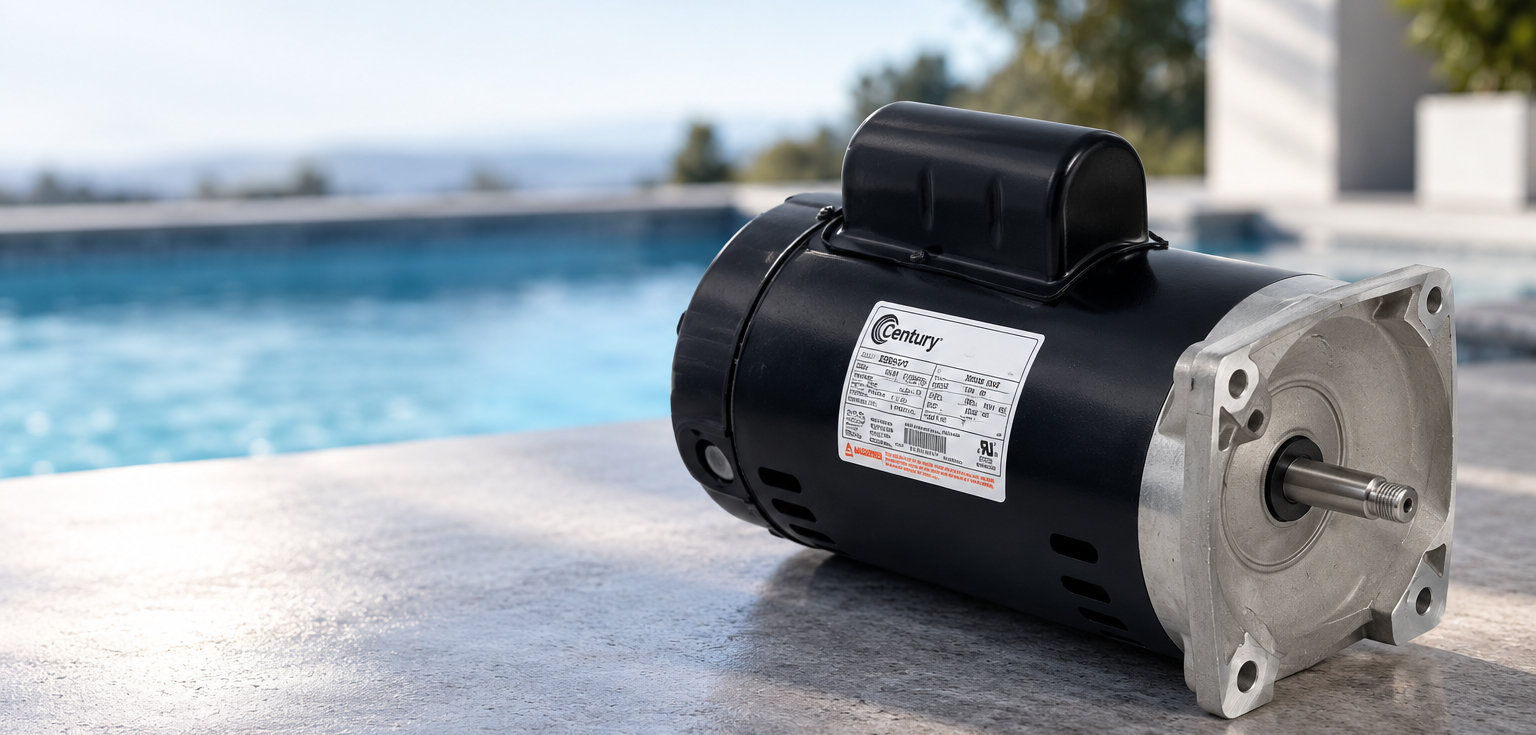
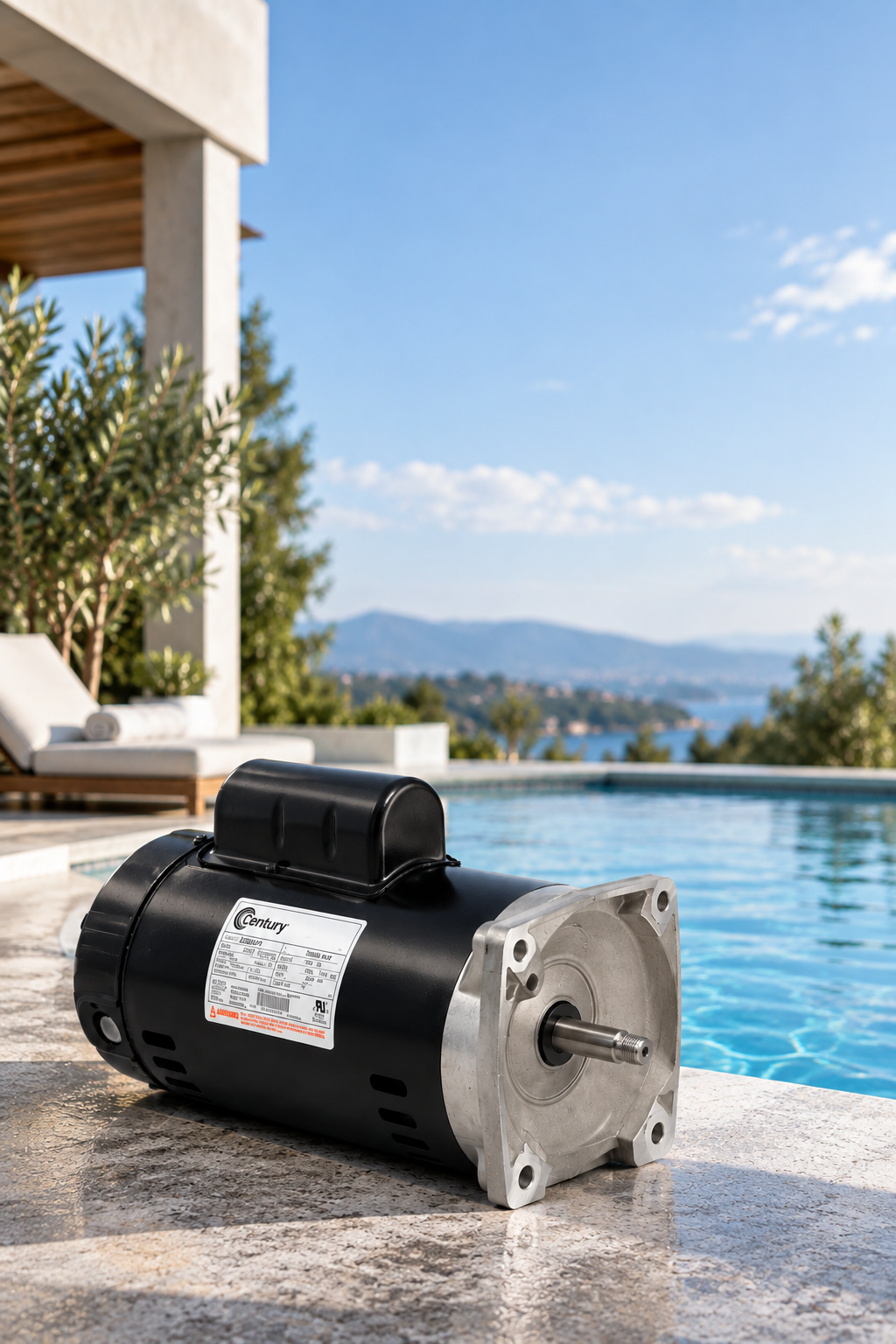
A Legacy of High-Pressure Innovation
The story of Century Pumps began with the development of Harben’s radial piston diaphragm technology. In 1971, the company introduced its pioneering P-Type pump, establishing a new approach to high-pressure, low-flow water jetting. Building on this technology, Harben later developed the Century pump, designed to deliver even higher pressure and meet the demands of industrial cleaning and water-jetting applications.
The Century pump became capable of pressures of up to 10,000 psi, while maintaining the reliability and dry-run capability of Harben’s radial piston diaphragm design. Its applications expanded beyond drain cleaning to industrial cutting, surface preparation, descaling, hydrostatic testing, water hydraulics, and other demanding operations.
Today, Century remains part of Harben’s high-pressure pump range, combining decades of engineering experience with a focus on reliability, durability, and consistent performance in demanding industrial environments.
Best Sellers
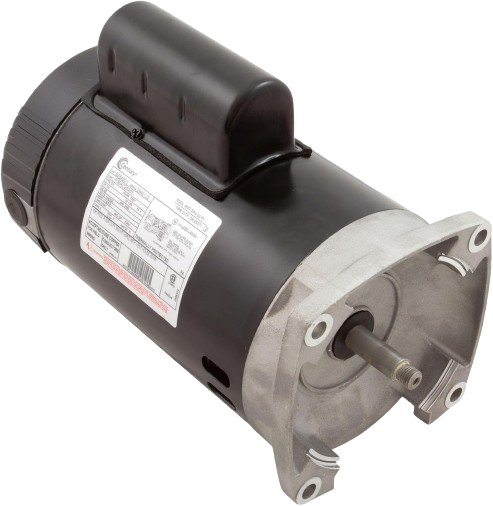
Square Flange Single Speed Full Rate Pool Motor
Featuring sealed ball bearings, a 50°C ambient temperature rating, a stainless steel shaft, a switchless design, and a UL 1081 design.
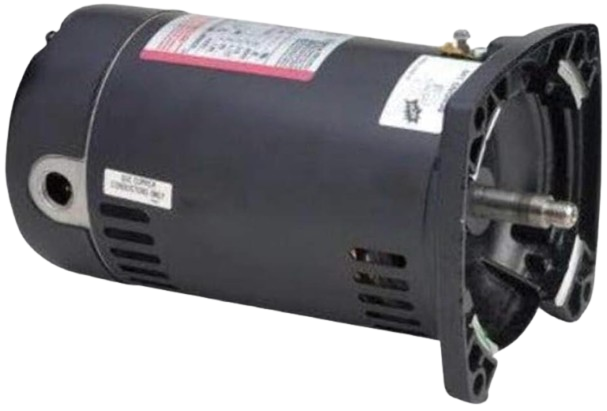
Swimming Pool & Spa Pump Motors Square Flange
Featuring sealed ball bearings, a 50°C ambient temperature rating, a stainless steel shaft, a switchless design, and a UL 1081 design.
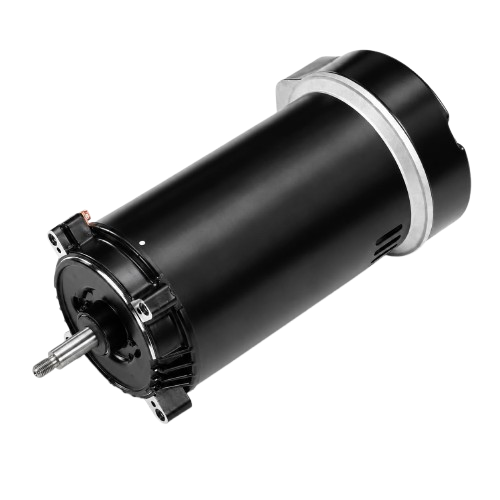
Pool Pump Motor 1.5HP 1.50THP 56J Round
Featuring a 56J frame with a round C-face flange and a 7/16-inch threaded 303 stainless steel shaft, 5/8-inch in diameter and 2.562 inches long.
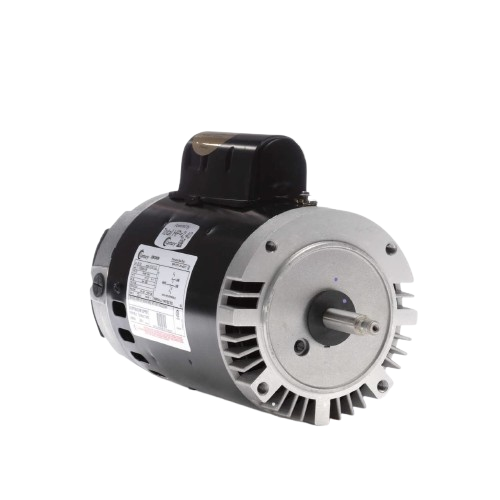
Pool Pump Motor, 2 HP, 3450 RPM, 230VAC
The motor features CCWSE shaft rotation, supports an ambient temperature of up to 50°C, and has a full-load current of 10.5 amps.
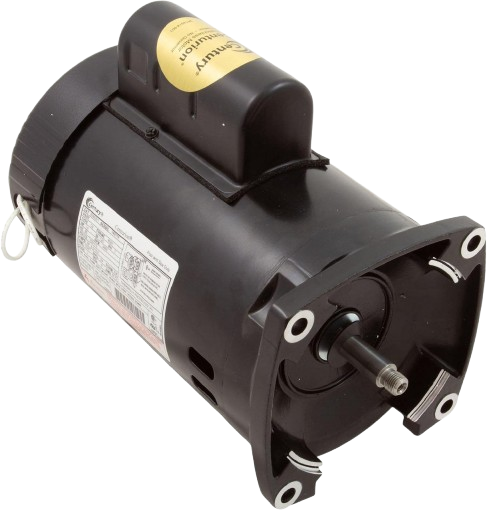
Pool Pump Motor, Century, 1.0hp, 115/230v
This single-speed pool motor features a 1.0 HP motor, operates at 115V/230V, and is designed with a 56Y frame type.
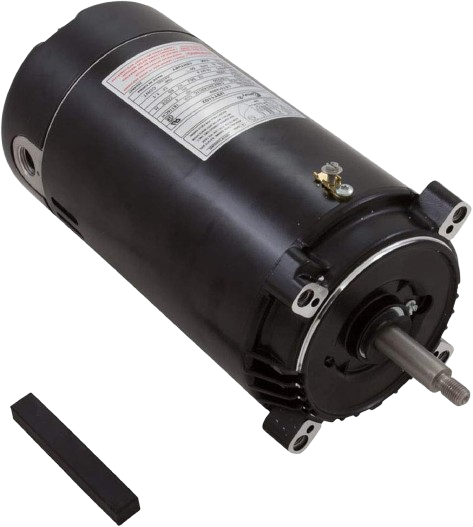
1-Horsepower Up-Rated Round Flange Motor
This high-quality, super-efficient replacement motor features a corrosion-resistant outer shell, a round flange design, a 3,450 RPM speed, and easy access for wiring.
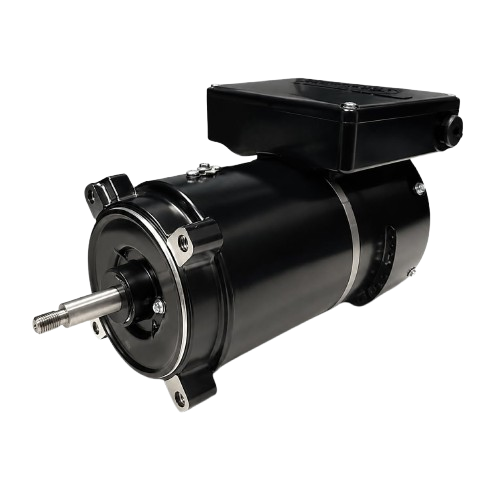
Variable Speed Pool Pump Motor 56J Round Flange
Variable-speed ECM pool pump motor with 2.25 HP, 600–3,450 RPM, 230V, 60 Hz, single-phase operation, and automatic voltage detection.
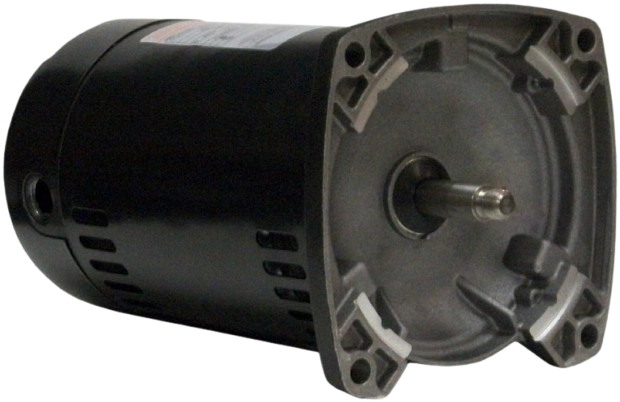
Square Flange Single Phase Jet Pump Motor
This 1 HP motor operates at 3450 RPM and 115/230 volts, 60 Hz, with maximum current ratings of 19.9/9.95 amps and a 1.65 service factor.
Built for Performance. Designed to Last
Century pumps combine high-pressure performance, reliable operation, and durable engineering to deliver consistent results in demanding industrial applications.
Exceptional Reliability
High-Pressure Performance
Dry-Run Protection
Low Maintenance Costs
Categories
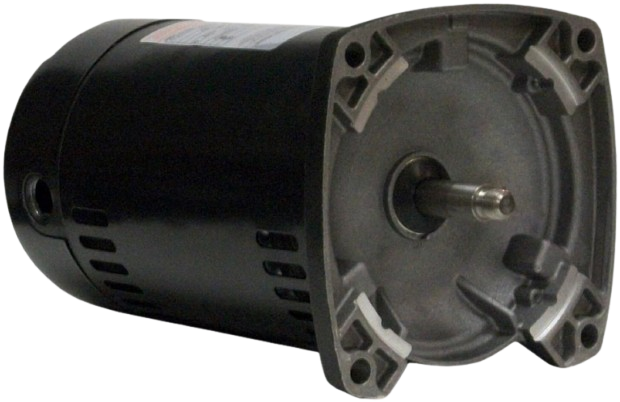
Single-Speed Motors
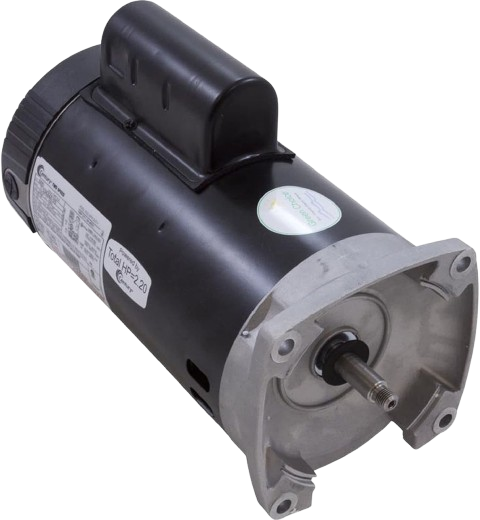
Two-Speed Motors
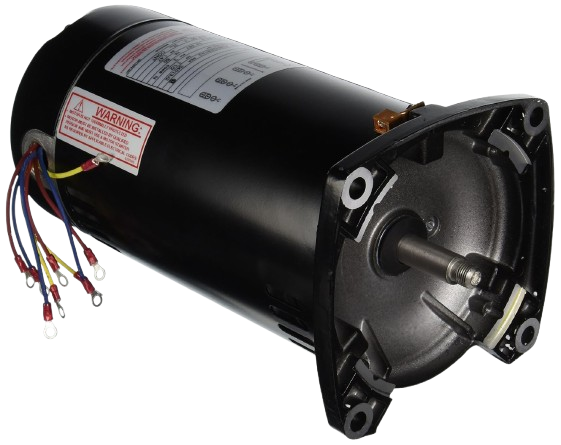
3-Phase Motors
From the Equipment Pad
“Swapped the old single-speed for the V-Green EVO on my own pool before I started putting them in for customers. It runs eight hours a day on low and my summer bill dropped about forty dollars a month.”
Hector A.
“My motor seized in the middle of July and the local shop quoted me two weeks for a whole new pump. This one bolted onto my existing wet end in under an hour with a socket set and a service video.”
Dana W.
“I service around ninety accounts and I’ve stopped stocking anything else. The spec label is still readable after four winters in the sun, which sounds trivial until you’re squinting at a dead motor at seven in the morning.”
Wendell K.
Pool Maintenance
Pool & Spa Heaters
Pool Filters
Pool Water Care
Stay in Step
New arrivals, updates, and announcements land straight in the inbox.
Questions Worth Answering
Matching flow rate and head pressure to the job matters more than raw horsepower. Flow is measured in gallons per minute and head refers to how high water needs to be lifted, so both figures should be checked against the specifications listed on the product page. Going too large wastes energy and can cause short cycling, while going too small leaves the system struggling to keep up.
Running without water removes the cooling and lubrication the mechanical seal depends on, which usually leads to a burned seal, a scored shaft, or in some cases a failed motor. Damage from dry running is generally not covered under warranty, so a float switch or low-water cutoff is a worthwhile addition for any setup where the source level can drop.
A quick check of the strainer basket or inlet screen every few weeks keeps debris from restricting flow and overworking the motor. Beyond that, listening for changes in sound, watching for drips around the seal area, and clearing any buildup at the inlet covers most of what’s needed. Units left outdoors through freezing weather should be drained fully before the first hard frost.
Most self-priming models still need the housing filled with water before the initial startup, since running without liquid inside can damage the seal within minutes. Submersible types are the exception, as they sit below the water line and fill on their own. The included instructions confirm which method applies to a specific model.
A change in sound often points to air trapped in the line, a partially blocked inlet, or cavitation caused by suction restriction rather than a fault in the motor itself. Checking that all fittings are sealed, the inlet is clear, and the suction line runs as short and straight as practical resolves most cases. Mounting on a solid, level base also cuts down on vibration transferring into the surrounding structure.
Motor and manufacturing defects appearing within the warranty period are typically covered, and sending photos, the model number, and a short description of the symptoms is the fastest way to get a replacement or repair moving. Issues traced to incorrect wiring, dry running, or a voltage mismatch generally fall outside that coverage, so confirming electrical requirements before hookup is worth the extra minute.